Introduction
Fall prevention products for seniors in NZ can help older adults move more safely at home, in the bathroom, around the bedroom, and outdoors. Falls are not only caused by one problem. Wet floors, low seats, poor lighting, weak balance, loose mats, clutter, unsuitable footwear, and difficult transfers can all increase risk.
The best fall prevention setup is not simply buying one product and hoping it solves everything. Seniors usually need a combination of safer flooring, better lighting, appropriate walking support, bathroom equipment, bedroom support, and regular review as mobility changes.
This guide compares practical fall prevention products for seniors in New Zealand and explains where each product may help, what to check before buying, and when professional advice may be needed.
Safety Note
Fall prevention products should match the senior’s balance, strength, home layout, vision, walking ability, and daily routine.
If the senior has frequent falls, sudden weakness, dizziness, confusion, recent surgery, medication changes, or difficulty transferring, speak with a healthcare professional before relying on home equipment alone.
Disclosure
This article may contain affiliate links in the future. If you buy through these links, Golden Vibe may earn a small commission at no extra cost to you. We only recommend products that are relevant to senior safety, comfort, mobility, and everyday living.
Fall Prevention Products for Seniors: Quick Comparison
| Product Type | Best For | Where It Helps | What to Check |
|---|---|---|---|
| Anti-slip bathroom mats | Wet shower or bath floors | Bathroom and shower | Grip, drainage, fit and cleaning |
| Shower chairs | Standing fatigue while showering | Shower area | Seat height, stability, arms and backrest |
| Grab bars | Hand support during transfers | Shower, toilet, bath, hallway | Wall strength, placement and installation |
| Raised toilet seats | Low toilet height | Toilet area | Height, fit, armrests and stability |
| Walking frames | Stronger walking support | Home and outdoors | Width, brakes, seat, wheel size |
| Walking sticks | Light balance support | Home, shops and short walks | Height, handle, rubber tip |
| Off-road walking frames | Rough outdoor surfaces | Garden, gravel, lifestyle blocks | Wheel size, brakes and weight |
| Bed rails and bed handles | Sitting up or getting out of bed | Bedroom | Compatibility, gaps and safe use |
| Adjustable beds | Bedroom positioning and transfers | Bedroom | Height, mattress, remote and support needs |
| Night lights | Nighttime movement | Bedroom, hallway, bathroom | Sensor type, brightness and placement |
| Non-slip slippers | Safer indoor walking | Bedroom and home | Sole grip, fit and heel support |
| Decluttering and storage aids | Clearer walking paths | Whole home | Trip hazards, access and floor space |
1. Anti-Slip Bathroom Mats
Anti-slip bathroom mats are one of the most practical fall prevention products for wet areas.
They can help seniors feel more stable inside a shower or bath, especially when the surface becomes slippery from water, soap or shampoo.
A good anti-slip mat should sit flat, drain properly, grip the floor, and be easy to clean. Suction mats usually work best on smooth compatible surfaces. They may not grip properly on heavily textured or uneven floors.
Good For
- Shower floors
- Bath floors
- Wet standing areas
- Seniors who feel unsafe on slippery surfaces
- Bathrooms where full renovation is not planned
Be Careful If
- The mat curls at the edges
- Suction cups stop gripping
- The floor is textured
- The mat holds water
- The senior needs more than foot grip
An anti-slip mat helps with footing, but it does not replace grab bars, shower chairs, or safe transfer support. When the bathroom floor itself is slippery, our non-slip bathroom flooring guide compares mats with adhesive pads, tile treatments and longer-term flooring solutions.
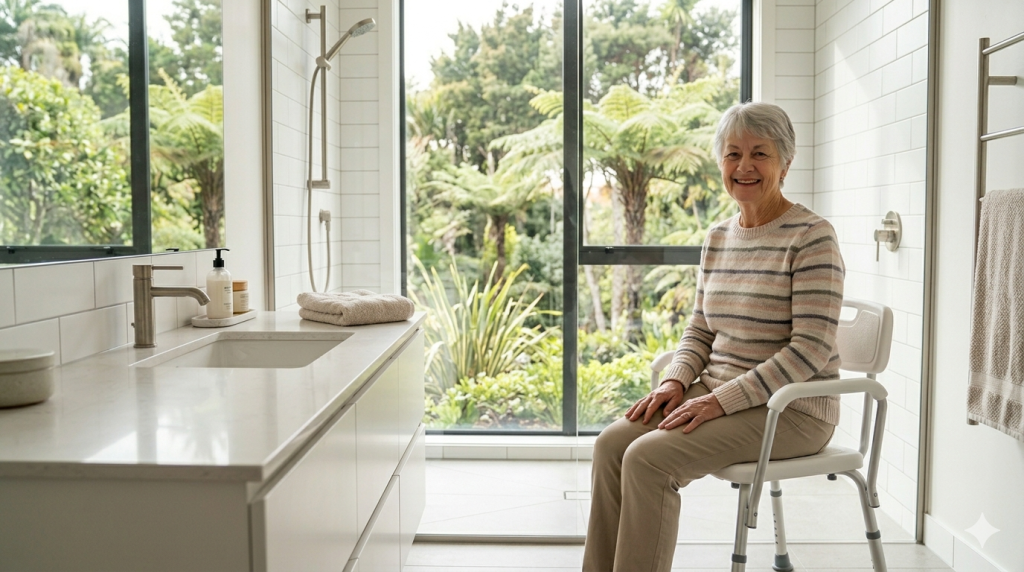
2. Shower Chairs and Shower Stools
A shower chair can reduce the need to stand for the whole shower. This may help seniors who feel tired, unsteady, weak, or anxious in wet areas.
Some seniors only need a basic stool. Others may need a shower chair with a backrest and armrests.
A chair with non-slip feet, adjustable height, drainage holes, and a stable frame is usually more practical than a lightweight stool that moves easily.
Good For
- Seniors who get tired standing
- People with joint pain
- Users who feel unsteady in the shower
- Longer shower routines
- Caregiver-supported bathing
Be Careful If
- The shower is too small
- The chair rocks or shifts
- The seat height is wrong
- The senior needs arm support
- The chair blocks safe entry or exit
A shower chair is often most effective when combined with grab bars and an anti-slip mat. Correct sizing is also essential. Our shower chair size and fit guide explains how to check seat height, width, shower space and transfer clearance.
3. Grab Bars and Hand Rails
Grab bars provide hand support when entering the shower, standing from the toilet, stepping out of the bath, or moving through a risky area.
Correct placement matters. A rail that is too far away, too high, too low, or installed into a weak wall may not help. For detailed shower, toilet and entrance positioning, see our grab bar placement for seniors guide.
Fixed grab bars are usually better for daily support. Suction rails may be useful for temporary light steadying support, but they should not be treated as permanent transfer rails.
Good For
- Shower entry
- Toilet transfers
- Bath support
- Hallways or steps
- Areas where seniors currently grab walls or towel rails
Be Careful If
- The rail is not professionally installed
- The wall cannot support it
- The senior pulls from an awkward angle
- A suction rail is used for full body-weight support
- Placement does not match the senior’s movement
Towel rails, shelves, shower screens and vanity units should not be used as grab bars.
4. Raised Toilet Seats and Toilet Frames
A raised toilet seat can make it easier to sit down and stand up when the existing toilet is too low.
Some raised toilet seats simply add height. Others include armrests. A toilet frame provides support on both sides and may be better when the senior needs more help controlling the movement. For frame types, armrest width, height adjustment and current NZ options, read our toilet frames for seniors in NZ guide.
The correct height is important. A seat that is too high can leave the user’s feet unsupported, while a seat that is too low may not solve the problem.
Our raised toilet seat height guide explains how to compare 50mm, 100mm and 150mm options and check the final sitting position before buying.
Good For
- Low toilets
- Reduced leg strength
- Knee or hip discomfort
- Seniors who struggle to stand
- Temporary recovery situations
Be Careful If
- The seat does not fit the toilet
- The seat moves or twists
- The user needs support on both sides
- Armrests make the space too narrow
- A commode or professional transfer support is needed
Raised toilet seats work best when the bathroom floor is dry, lighting is good, and toilet paper is within easy reach. If the senior cannot reach the bathroom safely, compare our commode chairs for seniors in NZ guide for bedside and mobile shower options.
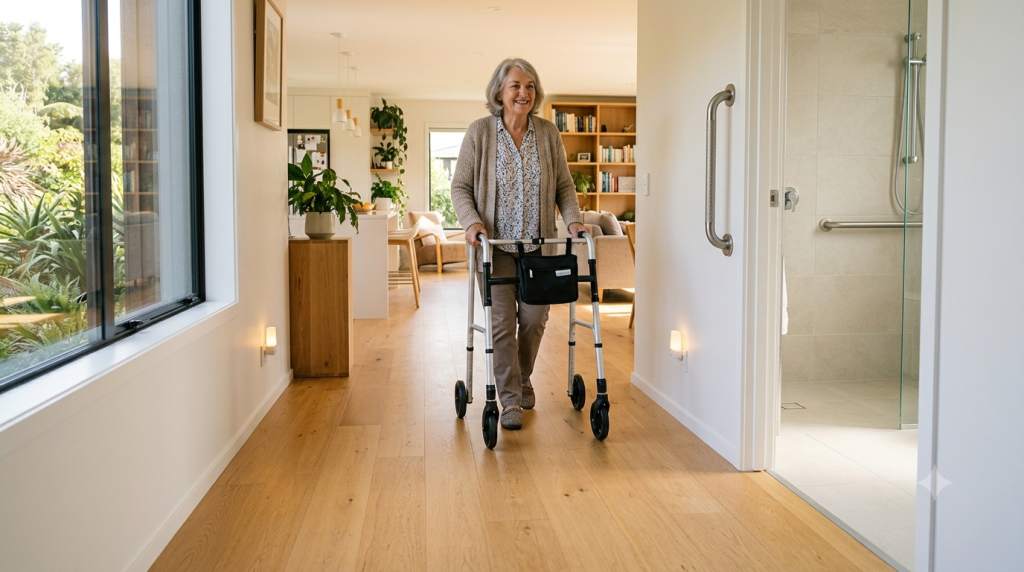
5. Walking Frames and Rollators
Walking frames can help seniors who need stronger support than a walking stick. They are especially useful when balance is reduced or support is needed on both sides.
A basic walking frame may suit indoor use. A rollator with wheels, brakes and a seat may suit longer walks or outdoor routines.
The right choice depends on where the senior walks, whether they need a seat, whether they can use brakes safely, and whether the frame fits through doorways.
Good For
- Seniors who feel unsteady
- Support on both sides
- Indoor movement
- Longer outings
- People who need to rest while walking
Be Careful If
- The walker is too wide
- Brakes are hard to use
- The frame is too heavy
- The senior mainly needs light support
- The home has narrow spaces
A walking frame should support independence, not become another obstacle in the home.
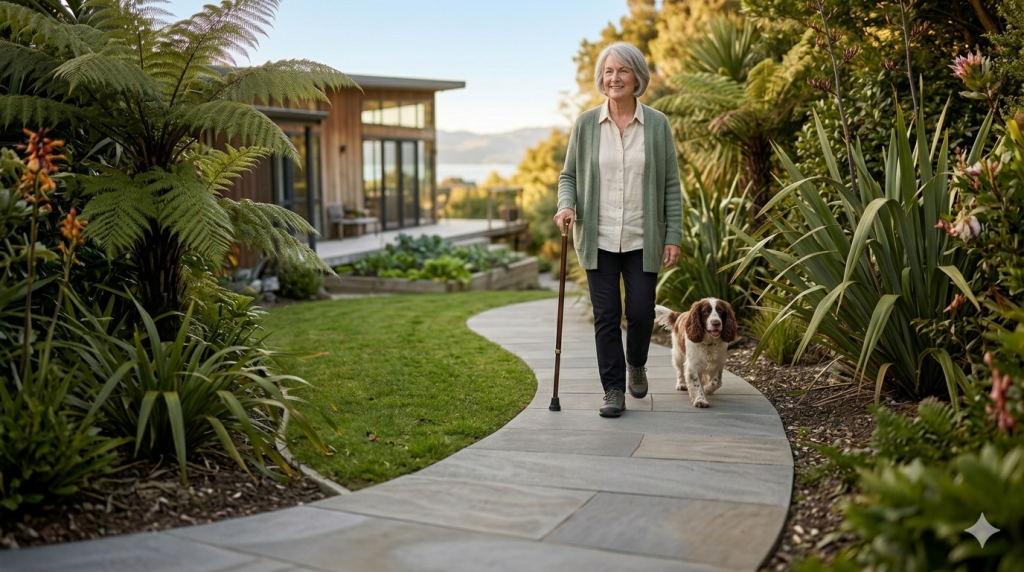
6. Walking Sticks and Canes
Walking sticks are useful when a senior needs light balance support rather than strong stability.
They are easier to carry than walking frames and may suit short walks, shopping trips, appointments, or occasional support.
The correct height, comfortable handle and good rubber tip are important. A worn cane tip can reduce grip and confidence.
Good For
- Light balance support
- Short walks
- Occasional outings
- Seniors who do not need a frame
- People who want a portable aid
Be Careful If
- The senior leans heavily on the cane
- Falls or near-falls continue
- Support is needed on both sides
- The cane is too short or too tall
- A walking frame would be safer
A walking stick may be the first step, but it should be upgraded if it no longer provides enough support. For seniors who want a walking aid that looks less clinical, our premium walking canes guide compares formal, traditional and patterned options while keeping fit and grip as the priority.
7. Off-Road Walking Frames
Off-road walking frames and outdoor rollators may help seniors who walk on gravel, grass, garden paths, lifestyle blocks, parks or uneven driveways.
They usually have larger wheels and stronger frames than indoor rollators.
These products are useful when a standard walking frame feels unstable outdoors. However, they can also be heavier and wider.
Good For
- Gravel paths
- Grass
- Outdoor walking
- Lifestyle blocks
- Seniors who want to keep walking outdoors
Be Careful If
- The walker is too heavy
- The senior cannot control brakes
- It does not fit indoors
- Storage space is limited
- A mobility scooter is more appropriate
Bigger wheels can help, but they do not remove all outdoor risk.
8. Bed Rails and Bed Handles
Bed rails, bed handles and transfer poles can help seniors sit up, reposition, or get in and out of bed.
A compact bed handle may be enough for someone who mainly needs a stable handhold. A longer bed rail may be more suitable in some care-bed situations, but it also needs more caution.
Bed rails must be compatible with the bed and mattress. Gaps, poor installation or inappropriate use can create risks. For a step-by-step check of mattress gaps, positioning, secure fitting and daily inspection, read our bed lever safety guide for seniors in NZ.
Good For
- Sitting up in bed
- Getting out of bed
- Repositioning
- Bedroom support
- Some recovery situations
Be Careful If
- The senior is confused or restless
- The person may climb over the rail
- The rail creates gaps
- The bed or mattress is incompatible
- The rail is used as a restraint
Bed rails should provide support, not trap someone in bed.
9. Adjustable Beds
Adjustable beds can help seniors sit up, raise their legs, rest more comfortably, and manage bedroom routines.
Some adjustable beds are mainly comfort products. Others are home-care beds with height adjustment, more positioning options, and accessory compatibility.
An adjustable bed may help when a normal flat bed is difficult to use. It may also work with bed rails, overbed tables, or bedroom support products. If getting in or out of bed is the main concern, check our bed height for seniors guide before assuming a new adjustable bed is required.
Good For
- Sitting up in bed
- Resting with head or legs raised
- Bedroom comfort
- Seniors who spend more time resting
- Some transfer difficulties
Be Careful If
- A care bed is needed instead
- The mattress is incompatible
- The remote is confusing
- The bed is too high or too low
- Bedroom space is limited
An adjustable bed should match the senior’s real mobility and support needs.
10. Night Lights and Better Lighting
Nighttime falls can happen when seniors move from the bedroom to the bathroom in poor light.
Night lights can help make the route clearer without needing to turn on bright overhead lights. Motion-sensor lights may be useful in hallways, bathrooms and bedrooms.
Lighting should reduce shadows, make floor edges easier to see, and help the senior find switches, walking aids and doorways.
Good For
- Nighttime bathroom trips
- Dark hallways
- Bedrooms
- Stair areas
- Seniors with reduced vision
Be Careful If
- The light is too dim
- The light causes glare
- Batteries run flat
- The sensor misses movement
- Placement creates shadows
Good lighting is one of the simplest home safety improvements.
11. Non-Slip Slippers and Safe Footwear
Indoor footwear can affect fall risk.
Loose slippers, worn soles, backless shoes and socks without grip can make walking less stable. Seniors may need supportive slippers with firm soles, good grip, secure heel support and easy fastening.
Footwear should feel comfortable without being loose.
For a detailed comparison of slippers, indoor shoes and grip socks, read our safe indoor footwear for seniors guide.
Good For
- Bedroom movement
- Indoor walking
- Seniors who walk to the bathroom at night
- People with cold feet who avoid barefoot walking
- Home routines on smooth floors
Be Careful If
- The slippers are too loose
- The sole is worn smooth
- The heel is unsupported
- The footwear catches on rugs
- The senior has foot pain or swelling
Footwear is not a substitute for safe floors, but it can be part of the overall setup.
12. Clear Pathways and Storage Products
Some fall prevention products are not medical-looking. Storage baskets, cable organisers, better shelving, hooks, and furniture repositioning can reduce clutter and make walking paths safer.
The goal is to remove unnecessary obstacles.
Useful changes may include:
- Removing loose rugs
- Moving cords away from walking paths
- Keeping laundry baskets out of hallways
- Storing shoes properly
- Keeping commonly used items within reach
- Using shelves at practical heights
- Removing small furniture that blocks movement
A safer home often starts with removing hazards before buying new equipment.
Room-by-Room Fall Prevention Product Ideas
Bathroom
Helpful products may include:
- Anti-slip bathroom mats
- Shower chairs
- Grab bars
- Raised toilet seats
- Toilet frames
- Handheld shower heads
- Night lights
- Non-slip floor mats outside the shower
The bathroom is often the first room to review because water and transfers increase risk.
Healthify New Zealand also provides practical fall-prevention guidance for bathrooms, including non-slip mats, handrails, bath seats and handheld shower heads.
Bedroom
Helpful products may include:
- Bed rails or bed handles
- Adjustable beds
- Night lights
- Non-slip slippers
- Overbed tables
- Clear bedside storage
- Easy-to-reach phones or call devices
The path from bed to bathroom should be clear and well-lit.
Hallway
Helpful products may include:
- Motion-sensor lights
- Hand rails
- Clear storage
- Non-slip flooring
- Cable organisers
- Walking aids kept in a consistent place
Hallways should allow safe movement without narrow cluttered paths.
Living Room
Helpful products may include:
- Lift chairs
- Stable chairs with armrests
- Clear walking routes
- Non-slip rugs or rug removal
- Good lighting
- Walking aids stored within reach
A soft low sofa may look comfortable but can be difficult for some seniors to stand from. If chair fit is part of the problem, our recliner chair size guide explains how to check seat height, width, depth and foot position before buying.
For standard reclining chairs currently available through New Zealand retailers, compare our recliner chairs for seniors in NZ guide.
Outdoor Areas
Helpful products may include:
- Walking frames or outdoor rollators
- Off-road walking frames
- Hand rails near steps
- Outdoor lighting
- Non-slip step surfaces
- Mobility scooters when appropriate
Outdoor fall prevention depends on surfaces, slopes, weather and walking distance.
Fall Prevention Products vs Exercise and Strength
Products can reduce environmental risk, but strength, balance and confidence also matter.
A home can be safer and still not fully solve fall risk if the senior has weak legs, poor balance, dizziness or fear of movement.
Community strength and balance programmes, physiotherapy advice, vision checks, medication review and safe activity may all be relevant.
Fall prevention is strongest when home safety and personal mobility are considered together.
What to Check Before Buying Fall Prevention Products
Before buying, ask:
- What exact problem is this product solving?
- Is the risk in the bathroom, bedroom, hallway or outdoors?
- Does the senior need hand support, foot grip, better lighting or stronger walking support?
- Will the product fit the home?
- Can the senior use it correctly?
- Does it create a new trip hazard?
- Does it need installation?
- Is professional advice needed?
- Is the product temporary or long-term?
- Can it be cleaned and maintained?
- Does it suit the senior’s current and likely future needs?
Buying the right product starts with understanding the actual risk.
Common Mistakes When Choosing Fall Prevention Products
Buying One Product and Ignoring the Whole Routine
A shower chair helps with standing fatigue, but it does not fix poor lighting or loose mats.
Look at the whole routine.
Choosing the Cheapest Option
Low-cost products can be useful, but safety equipment must still fit, grip, support and last.
Ignoring Installation
Grab bars, rails and some support products need correct installation.
Poor installation can be dangerous.
Forgetting Maintenance
Rubber tips, suction cups, batteries, brakes, rails and mats all wear out.
Check products regularly.
Waiting Until After a Fall
Near-falls, fear of movement and increasing difficulty are already reasons to review the home.
Making the Home Feel Like a Hospital
A safer home can still look warm and comfortable.
Choose practical products that the senior is willing to use.
When to Seek Professional Advice
Professional advice may be useful if the senior:
- Has fallen more than once
- Has near-falls
- Feels unsafe walking
- Needs help transferring
- Uses a wheelchair or walking frame
- Has sudden balance changes
- Has dizziness or fainting
- Has memory or judgement difficulties
- Is recovering from injury or surgery
- Needs bathroom or home modifications
- Is unsure which product is safe
- May qualify for equipment support after an injury
A doctor, physiotherapist, occupational therapist, nurse, pharmacist, mobility equipment specialist or ACC-related provider may help identify the safest plan.
For official New Zealand information about preventing falls for people over 65, visit ACC New Zealand.
FAQ
What are the best fall prevention products for seniors in NZ?
The best fall prevention products depend on the senior’s risks. Common useful products include anti-slip bathroom mats, shower chairs, grab bars, raised toilet seats, walking frames, bed handles, night lights and supportive footwear.
What room should families review first?
The bathroom is often a good starting point because wet floors, shower transfers and toilet transfers can create multiple risks. The bedroom-to-bathroom route should also be reviewed, especially for nighttime movement.
Are grab bars better than shower chairs?
They solve different problems. Grab bars provide hand support. Shower chairs reduce standing time. Many seniors benefit from both.
Do fall prevention products stop all falls?
No product can stop every fall. Equipment can reduce risk, but strength, balance, vision, medication, footwear, lighting and home layout also matter.
Are walking frames better than walking sticks?
Walking frames usually provide stronger support. Walking sticks are better for lighter balance support. The right choice depends on the senior’s stability, strength and walking distance.
When should a senior get professional fall-prevention advice?
Professional advice is important if the senior has frequent falls, near-falls, sudden mobility changes, transfer difficulty, dizziness, confusion, or uncertainty about equipment.
Final Recommendation
Fall prevention products for seniors in New Zealand work best when they are chosen as part of a complete home safety plan.
For many households, the first priorities are bathroom safety, clear walking paths, better lighting, appropriate walking support, safer bedroom transfers and regular equipment checks.
Start with the senior’s real daily routine. Watch where they hesitate, what they hold for support, when they feel tired, and which areas of the home feel unsafe. Then choose products that solve those exact problems.
For a more detailed bathroom review, read our bathroom safety checklist for seniors in NZ.