Introduction
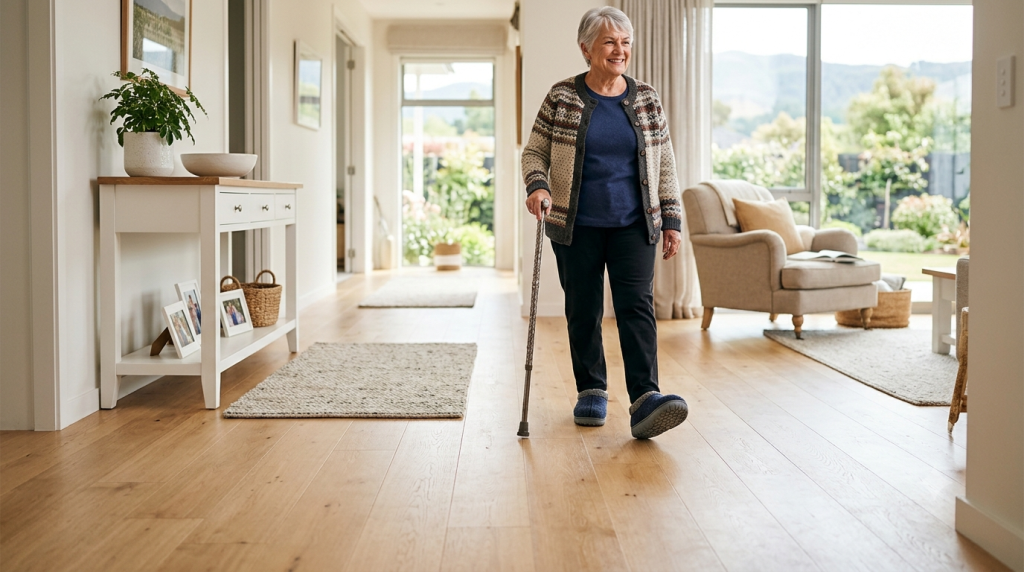
Non-slip slippers for seniors can make everyday movement around the home safer, warmer, and more comfortable. Many older adults wear slippers for most of the day, especially during colder months, but not all slippers are designed with safety in mind.
Loose, soft, or worn-out slippers can increase the risk of slipping, tripping, or losing balance. A better pair of indoor slippers should provide grip, support, warmth, and easy fitting without feeling bulky or difficult to wear.
This guide explains what to look for in non-slip slippers for seniors in New Zealand, which types suit different needs, and which common mistakes to avoid before buying.
Quick Picks: Which Slipper Type Makes Sense?
Best Overall: Supportive Non-Slip Slippers With Rubber Soles
For most seniors, the best everyday choice is a pair of supportive slippers with firm rubber soles and a secure fit.
These slippers are usually more stable than soft fabric-only slippers. They provide better grip on indoor floors and can feel more secure when walking between the bedroom, bathroom, kitchen, and living room.
Best for Cold Homes: Warm Lined Slippers With Grip Soles
For seniors who feel the cold, warm lined slippers can be useful.
The key is to choose a pair that is warm but still safe. Very soft, floppy slippers may feel comfortable but may not provide enough structure or grip.
Warmth should not come at the expense of stability.
Best for Swollen Feet: Adjustable Slippers
Some seniors need slippers that are easier to adjust.
Slippers with wide openings, hook-and-loop straps, or adjustable closures can be helpful for swollen feet, sensitive feet, or changing comfort needs during the day.
Best for Balance Confidence: Full-Back Slippers
Full-back slippers cover the heel and usually stay on the foot more securely than open-back styles.
This can be a better option for seniors who shuffle, walk slowly, or worry about slippers slipping off while moving around the home.
Best for Easy On and Off: Wide-Opening Slippers
Wide-opening slippers can be easier to put on without bending too much.
They may suit seniors who have reduced flexibility, hand stiffness, or difficulty reaching their feet.
Who Should Consider Non-Slip Slippers?
Non-slip slippers may be useful for seniors who:
- Walk around the home in slippers every day
- Have smooth floors such as tile, vinyl, laminate, or polished wood
- Feel less steady when walking indoors
- Get up during the night
- Need warmer indoor footwear
- Have reduced grip strength or flexibility
- Want safer footwear for bedroom, hallway, bathroom, or kitchen routines
They can also be useful for family members who want to reduce common home safety risks for an older parent or grandparent.
Who May Not Need Them?
Non-slip slippers may not be enough if the senior:
- Has frequent falls
- Has serious balance problems
- Needs a walking aid indoors
- Has foot pain requiring professional footwear advice
- Needs medical-grade shoes or orthotic support
- Cannot walk safely without assistance
In these situations, slippers may still help, but they should not be treated as the only solution. Professional advice may be needed if falls or mobility problems are ongoing.
Non-Slip Slippers vs Regular Slippers
Regular slippers are often designed mainly for comfort and warmth.
Non-slip slippers are designed to provide better grip and more secure movement. The difference is usually in the sole, fit, heel support, and overall structure.
A regular slipper may be soft but loose. A good non-slip slipper should feel comfortable while staying securely on the foot.
For seniors, safety and fit matter as much as softness.
Non-Slip Slippers for Seniors: What to Look For
1. Grip Sole
The sole is the most important feature.
Look for slippers with rubber or textured soles that provide traction on indoor floors. Smooth fabric soles or worn-out soles may be unsafe, especially on tiles or polished surfaces.
2. Secure Fit
A slipper should stay on the foot while walking.
Loose slippers can slide, twist, or come off unexpectedly. Seniors who shuffle or walk slowly may be better with full-back slippers or adjustable closures.
3. Heel Support
Open-back slippers are easy to put on, but they may not be the safest option for everyone.
Full-back or closed-heel slippers usually provide more security. This can reduce the chance of the slipper slipping off during movement.
4. Wide Opening
A wide opening makes slippers easier to put on.
This is helpful for seniors who have reduced flexibility, arthritis, or difficulty bending down.
5. Adjustable Closure
Adjustable slippers can fit more comfortably throughout the day.
Hook-and-loop straps are often easier to use than laces or small buckles.
6. Lightweight Design
Slippers should not feel heavy.
A heavy slipper may make walking more tiring or awkward. A lightweight design is usually easier for daily use.
7. Warmth Without Bulk
Warm slippers are useful in cooler homes, but bulky slippers can increase trip risk.
Choose warmth that still allows stable walking.
8. Firm but Comfortable Sole
A sole that is too soft may not provide enough support.
A firmer sole can help the slipper feel more stable, especially when walking on hard floors.
9. Easy Cleaning
Slippers can collect dust, moisture, and odours.
Machine-washable or easy-clean materials can be helpful, but the sole should still remain grippy after cleaning.
10. Correct Size
The slipper should not be too tight or too loose.
A poor fit can cause discomfort, slipping, or tripping. If feet swell during the day, adjustable designs may be better.
Buying Checklist
Before choosing non-slip slippers, ask:
- Does the sole have real grip?
- Does the slipper stay securely on the foot?
- Is the heel covered or supported?
- Is the opening wide enough?
- Are the closures easy to use?
- Does the slipper feel stable on hard floors?
- Is it too soft or floppy?
- Is it warm without being bulky?
- Is the size suitable?
- Can the senior put it on without struggling?
- Is it easy to clean?
- Will it be used during nighttime bathroom trips?
This checklist helps avoid slippers that look comfortable but are not safe enough for daily use.
Common Mistakes When Buying Slippers for Seniors
Choosing Softness Over Safety
Very soft slippers may feel comfortable, but they can be unstable.
For seniors, slippers should be comfortable and supportive, not just soft.
Buying Open-Back Slippers for Someone Unsteady
Open-back slippers are convenient, but they can slip off more easily.
For seniors with balance concerns, full-back slippers are usually safer.
Ignoring Worn-Out Soles
Even good slippers become less safe when the sole wears down.
If the grip is smooth or flattened, it may be time to replace them.
Choosing Slippers That Are Too Loose
Loose slippers increase the risk of tripping.
The slipper should stay on the foot without the senior needing to grip with their toes.
Forgetting Nighttime Use
Many slips happen when people get up at night.
If slippers are used for nighttime bathroom trips, they should be easy to find, easy to put on, and stable on the floor.
Who Should Choose Each Type?
Choose Full-Back Non-Slip Slippers If:
- The senior feels unsteady
- The slippers are worn for walking around the home
- Heel support is important
- Open-back slippers feel loose
- Safety is the main priority
Choose Adjustable Slippers If:
- Feet swell during the day
- The senior has sensitive feet
- A wider fit is needed
- Small fasteners are difficult
- Comfort changes throughout the day
Choose Warm Lined Slippers If:
- The home is cold
- The senior mainly uses them indoors
- Warmth is important
- The sole still provides proper grip
Choose Wide-Opening Slippers If:
- Bending down is difficult
- Flexibility is reduced
- Putting on footwear takes effort
- The senior wants independence when dressing
If reaching the feet is the main difficulty, our daily living aids for seniors in NZ guide also compares sock aids and long shoe horns that can reduce bending during dressing.
Safety Tips for Indoor Footwear
Non-slip slippers work best as part of a safer home setup.
Helpful tips include:
- Replace slippers when soles wear down
- Avoid walking in socks on slippery floors
- Keep floors dry and clear
- Remove loose rugs where possible
- Use night lights for dark hallways
- Keep slippers beside the bed in the same place
- Avoid slippers that drag on the floor
- Choose footwear that stays securely on the foot
Indoor footwear is a small detail, but it can affect confidence and safety every day.
Non-Slip Slippers vs Supportive Indoor Shoes
Some seniors may be better with supportive indoor shoes rather than slippers.
Indoor shoes may provide stronger structure, better heel support, and more stable soles. They may suit seniors who need more foot support or spend a lot of time walking inside the home.
Slippers may be better for warmth and comfort, but they should still have proper grip and fit.
The best choice depends on comfort, safety, foot support, and how much the senior walks indoors.
When to Seek Professional Advice
If a senior has foot pain, diabetes-related foot concerns, frequent falls, balance problems, or difficulty walking, it is better to seek professional advice before choosing footwear.
A podiatrist, physiotherapist, occupational therapist, or healthcare professional may help identify safer footwear options for more complex needs.
For many seniors, however, upgrading from loose slippers to supportive non-slip slippers is a simple and practical home safety improvement.
Final Recommendation
The best non-slip slippers for seniors in New Zealand should have grippy soles, a secure fit, comfortable support, and a design that is easy to put on and take off.
For most seniors, full-back non-slip slippers with rubber soles and a stable fit are the safest everyday choice. Seniors with swollen feet may prefer adjustable slippers, while those in colder homes may prefer warm lined slippers with proper grip.
The best slipper is not simply the softest one. It is the one that helps the senior move around the home safely, comfortably, and confidently.
For safer nighttime movement around the home, our guide to night lights may also be helpful.
For more information about preventing falls for older adults, visit ACC New Zealand.