Introduction
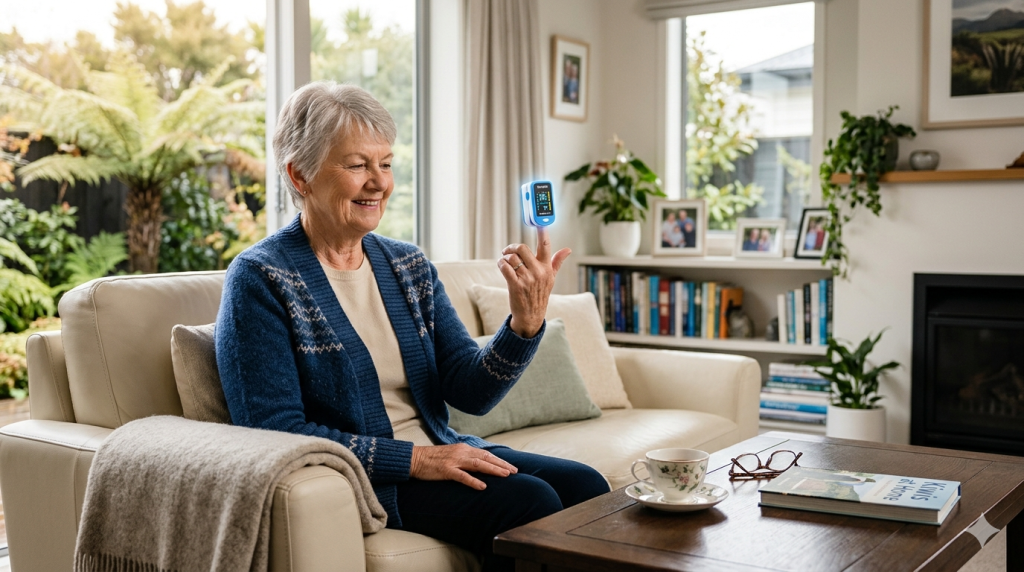
Best pulse oximeters for seniors in New Zealand can make home health monitoring easier and more convenient. A pulse oximeter is a small device that clips onto a fingertip and gives a quick reading of blood oxygen level and pulse rate.
For older adults, a simple pulse oximeter may be useful during illness, recovery, or general home health checks. It should be easy to read, comfortable to use, and simple enough for seniors or family members to operate without confusion.
In this guide, we look at the most important features to consider when choosing a pulse oximeter for seniors.
Why Pulse Oximeters Are Helpful for Seniors
A pulse oximeter can provide quick information about oxygen saturation and heart rate. While it does not replace professional medical advice, it can be a useful home monitoring tool when used correctly.
A pulse oximeter may help seniors:
- Check oxygen levels at home
- Monitor pulse rate quickly
- Keep track of changes during illness
- Share readings with family or healthcare providers
- Support basic home health routines
- Feel more informed when managing symptoms
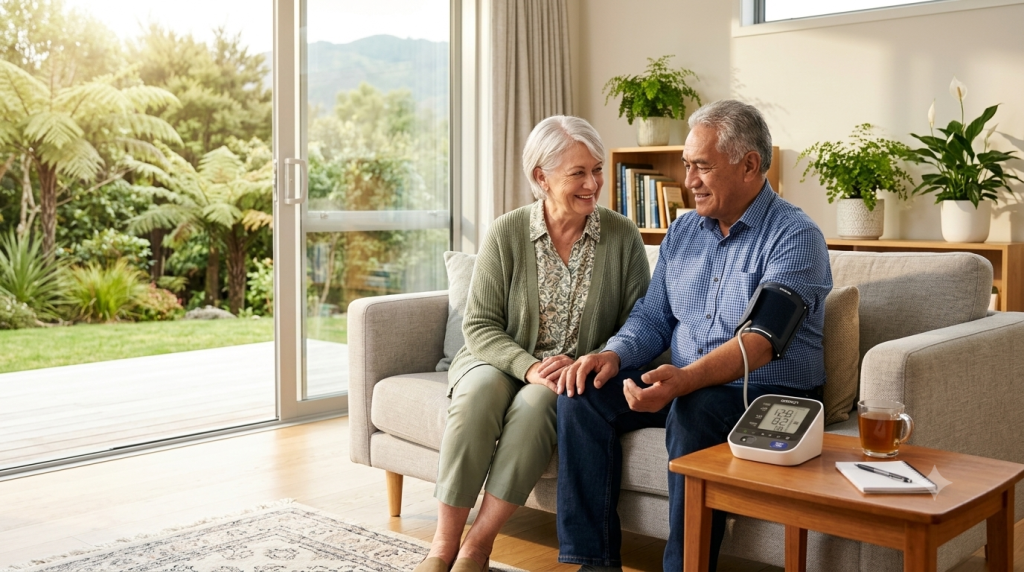
For many households, a pulse oximeter can be a useful addition to other basic health tools such as blood pressure monitors and digital thermometers.
Best Pulse Oximeters for Seniors in New Zealand: Key Features
Easy-to-Read Display
The display should be large, bright, and easy to understand.
Seniors with reduced vision may find small screens difficult to read. A clear display with large numbers can make the device much easier to use.
Simple One-Button Operation
A good pulse oximeter should not feel complicated.
Many fingertip models use one-button operation, which is usually ideal for seniors. The user simply places the device on a finger, presses the button, and waits for the reading.
Comfortable Finger Fit
The device should feel comfortable on the finger.
A clip that is too tight may feel uncomfortable, while one that is too loose may not read properly. A senior-friendly model should be easy to place and remove.
Clear Oxygen and Pulse Readings
Pulse oximeters usually show oxygen saturation and pulse rate.
The screen should clearly separate these numbers so the user can understand the reading more easily.
Battery Life
Most fingertip pulse oximeters use batteries.
A good model should have reliable battery life and be easy to maintain. Some models include automatic shut-off to save power.
Types of Pulse Oximeters
Fingertip Pulse Oximeters
Fingertip pulse oximeters are the most common type for home use.
They are small, portable, and usually easy to operate.
Large Display Pulse Oximeters
Some models have larger or brighter screens.
These may be helpful for seniors who find standard displays too small.
Pulse Oximeters With Carry Cases
A carry case can help keep the device clean and easy to store.
This is useful if the device is kept in a drawer, medicine cabinet, or travel bag.
Pulse Oximeters With Rotating Displays
Some pulse oximeters allow the screen direction to change.
This can make it easier for the user or caregiver to read results from different angles.
Common Mistakes When Buying a Pulse Oximeter
When choosing a pulse oximeter, avoid these common mistakes:
- Buying a model with a very small display
- Choosing a device with confusing screen symbols
- Ignoring battery requirements
- Buying a clip that feels uncomfortable
- Not reading the user manual before first use
- Assuming the device replaces medical advice
The best pulse oximeter should be simple, readable, and suitable for regular home use.
Who Should Consider a Pulse Oximeter?
A pulse oximeter may be useful for seniors who:
- Want a simple home health monitoring tool
- Are recovering from illness
- Have family members helping with care
- Prefer quick and simple readings
- Want to track oxygen and pulse readings at home
- Already use other home health devices
It can also be useful for families who want to keep basic health tools available for older adults at home.
Home Use Tips for Seniors
A pulse oximeter works best when used correctly.
Helpful tips include:
- Sit still while taking a reading
- Make sure the finger is placed properly
- Keep hands warm if readings seem inconsistent
- Avoid using the device on dirty or wet fingers
- Read the user manual before first use
- Write down readings if symptoms continue
- Contact a healthcare professional if symptoms are concerning
Readings can be affected by movement, cold fingers, poor placement, or other factors, so it is important to use the device carefully.
Pulse Oximeters vs Blood Pressure Monitors
Pulse oximeters and blood pressure monitors measure different things.
A pulse oximeter measures oxygen saturation and pulse rate. A blood pressure monitor measures blood pressure. Both can be useful home health tools, but they do not replace each other.
For seniors who want a basic home health setup, it may be useful to have both devices available, along with a digital thermometer.
Final Recommendation
The best pulse oximeters for seniors in New Zealand should be easy to read, simple to use, comfortable on the finger, and reliable for basic home monitoring.
For most seniors, a fingertip pulse oximeter with a large display and one-button operation is the most practical choice. It is simple, portable, and easy to keep at home.
A good pulse oximeter can support home health routines and help seniors and families feel more informed when monitoring everyday health changes.
For seniors who also monitor blood pressure at home, our guide to blood pressure monitors may also be helpful.
For general health information and advice in New Zealand, visit Healthify New Zealand.